Remote Assistance
 Call Us:

Category: Blog
Role of AI in Cybersecurity
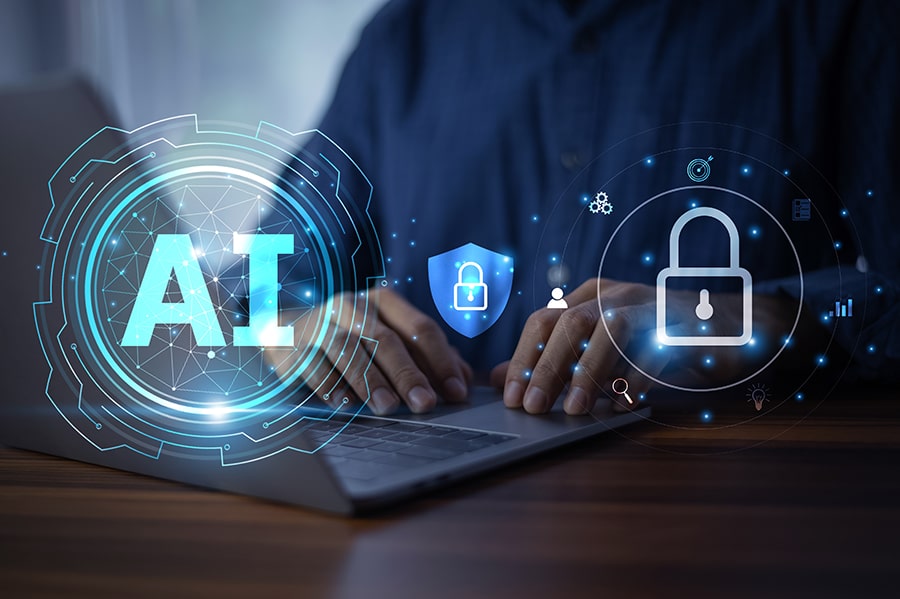
Cybersecurity has become a critical priority as digital threats grow more sophisticated and persistent. Businesses and organizations of all sizes face constant pressure to defend against hackers, ransomware, and data breaches. Traditional security methods, such as firewalls, multifactor authentication (MFA), and antivirus software, remain valuable but are not always enough against modern attacks that adapt quickly.
How Poor Asset Management Can Lead to Major Security Gaps

Many security breaches stem not from advanced attacks but from overlooked weaknesses. Asset management is one of the most critical yet often neglected areas. Without accurate visibility into devices, applications, and systems, organizations face blind spots that attackers are quick to exploit.
Continue reading “How Poor Asset Management Can Lead to Major Security Gaps”
The Hidden Costs of Ignoring IT Maintenance

Routine IT maintenance often sits at the bottom of a business’s priority list. It’s not as visible as a new software rollout or a hardware upgrade, and when everything appears to be working fine, maintenance might seem unnecessary. However, skipping scheduled upkeep can quietly erode business performance, compromise security, and create expensive problems.
Continue reading “The Hidden Costs of Ignoring IT Maintenance”
What Is Multifactor Authentication and Why Should You Use It?

Security concerns are an ongoing issue for companies, and relying solely on passwords is no longer a sufficient defense. Whether protecting business systems, employee accounts, or sensitive customer data, implementing stronger security protocols has become essential. Multifactor authentication (MFA) is a practical and highly effective measure that adds a critical layer of protection against unauthorized access.
Continue reading “What Is Multifactor Authentication and Why Should You Use It?”
How to Secure a Remote and Hybrid Working Setup

While remote work is not new to the workforce, 2020 accelerated the percentage of remote employees. Five years later, an increasing number of companies are offering remote and hybrid work environments. As more employers adopt flexible work models, security challenges become a focal point with employees working from unsecured networks or on public Wi-Fi. Without the protections of a centralized office network, remote work environments are more vulnerable to threats such as phishing, malware, and data breaches.
Continue reading “How to Secure a Remote and Hybrid Working Setup”
What is IT Asset Management and Why Do You Need It?

Managing technology is more than installing new equipment and hoping it works. Properly tracking, maintaining, and optimizing IT assets is essential to daily operations, security, and long-term growth. This is where IT Asset Management (ITAM) plays a critical role. IT Asset Management helps businesses maximize the value of their technology investments, maintain compliance, and avoid costly mistakes.
Continue reading “What is IT Asset Management and Why Do You Need It?”
Can Outdated Technology Affect Your Business?

Technology is critical in business operations, from internal communication to customer service and data storage. When the tools your team relies on are no longer up to date, problems can build quickly. Outdated technology can slow productivity, weaken security, and limit your ability to grow.
Continue reading “Can Outdated Technology Affect Your Business?”
4 Common Cybersecurity Myths That Put Businesses at Risk

Cybersecurity is a major concern for businesses of all sizes, yet many organizations still operate under misconceptions that leave them vulnerable to cyber threats. Misinformation about security measures can lead to costly breaches, data loss, and reputational damage. To protect your business, it’s essential to separate fact from fiction. Here are four common cybersecurity myths that could put your company at risk.
Continue reading “4 Common Cybersecurity Myths That Put Businesses at Risk”
How Poor IT Support Is Slowing Down Your Business

IT support is essential for business operations, ensuring systems run smoothly and securely. When your IT provider is slow to respond, lacks expertise, or fails to prevent issues before they escalate, it impacts business. From prolonged downtime to security vulnerabilities, poor IT support drags down efficiency, frustrates employees, and impacts revenue.
Continue reading “How Poor IT Support Is Slowing Down Your Business”
How to Keep Business Data Safe While Traveling

Business travel often requires professionals to stay connected and access sensitive information remotely. While this ensures productivity, it also exposes your business data to potential security risks if proper precautions and protocols aren’t in place. Cybercriminals actively target travelers using unsecured networks, lost devices, or social engineering tactics. Taking these proactive measures can keep your data safe while working on the go.
Continue reading “How to Keep Business Data Safe While Traveling”